
RV Electrical Repair: 12V DC and 120V AC Faults Explained
Lights but no outlets? Outlets but no lights? Find out which of your RV's two electrical systems failed and who fixes it. Call 888-759-1438 in Florida.
An RV carries two separate electrical systems: a 12-volt DC house side fed by the battery bank, and a 120-volt AC side fed by the shore cord or the generator, joined by a converter that charges the battery and an inverter that runs the other direction. Almost every electrical complaint is really a question of which side failed. Lights but no outlets points at the AC side.
What we handle in this category
Lead-acid to LiFePO4 conversion
See what this involves →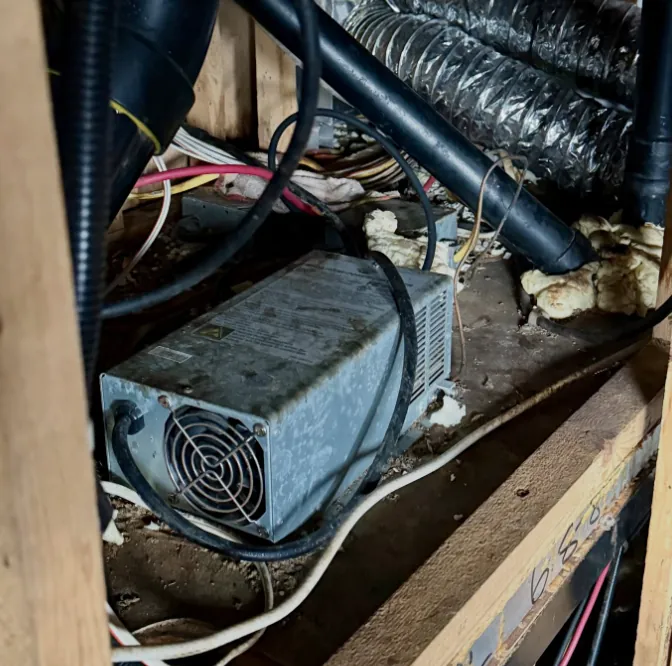
Converter/charger repair (PD, WFCO, Iota)
See what this involves →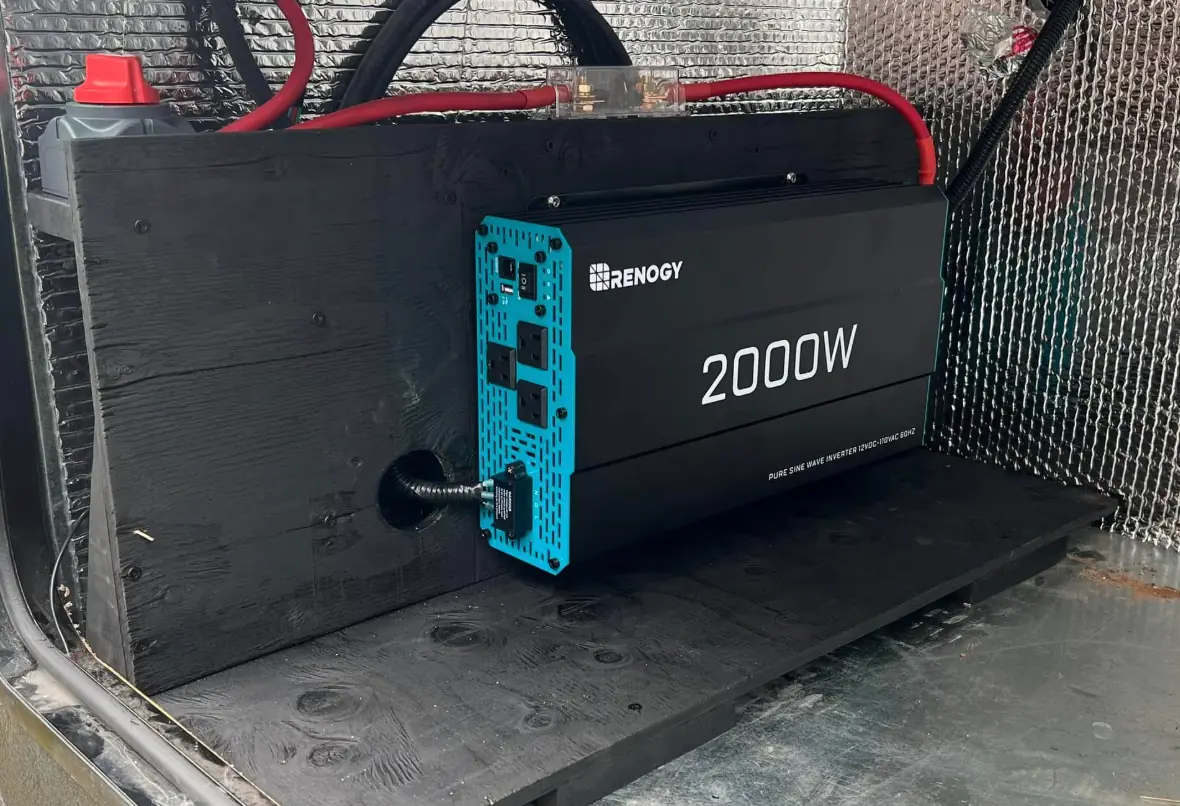
Inverter + transfer switch install
See what this involves →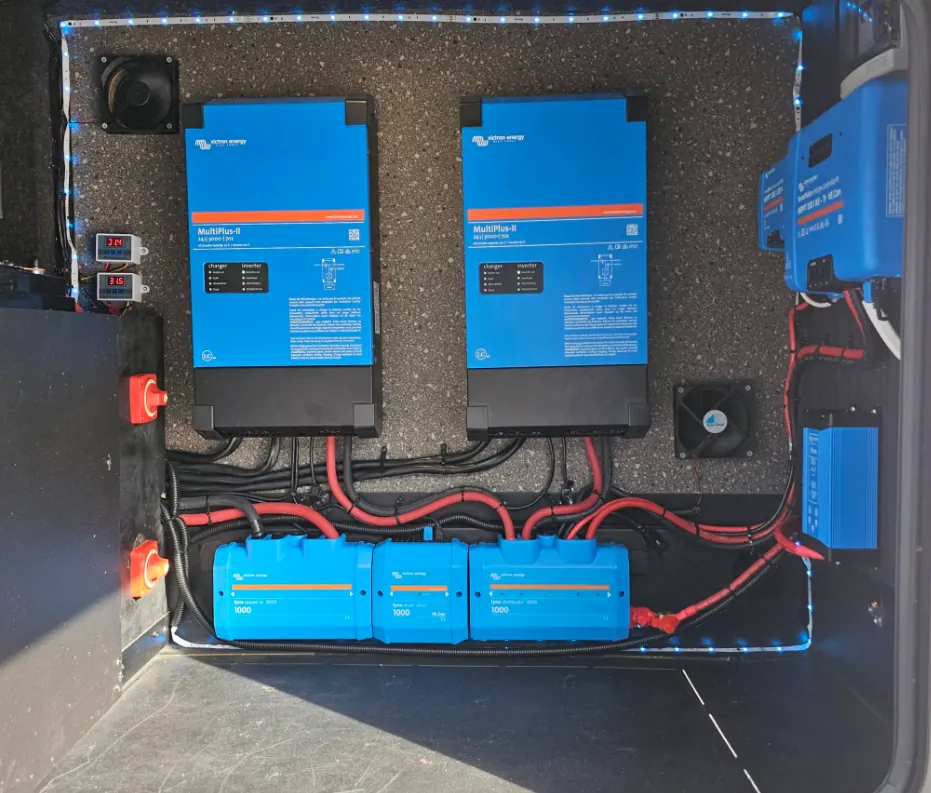
Solar array + MPPT install
See what this involves →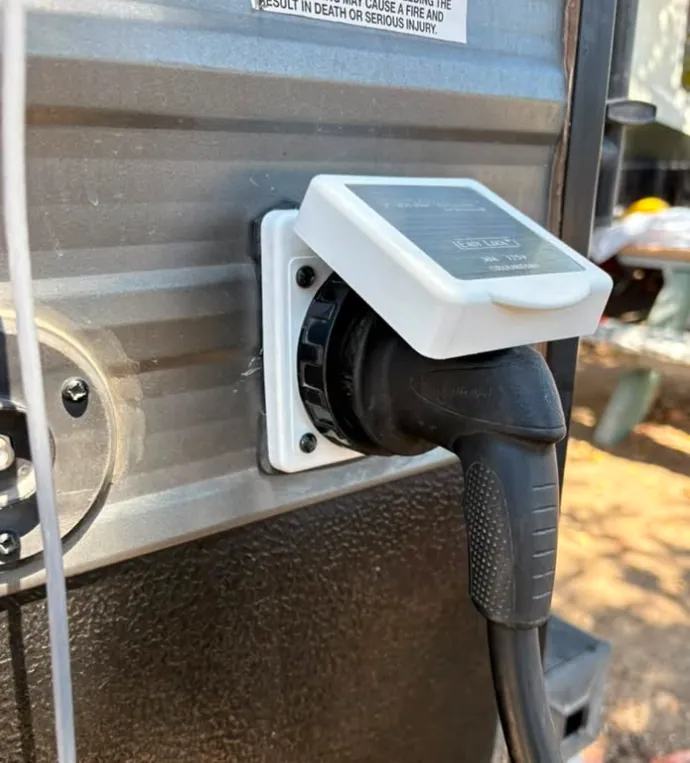
Shore power inlet + pedestal faults
See what this involves →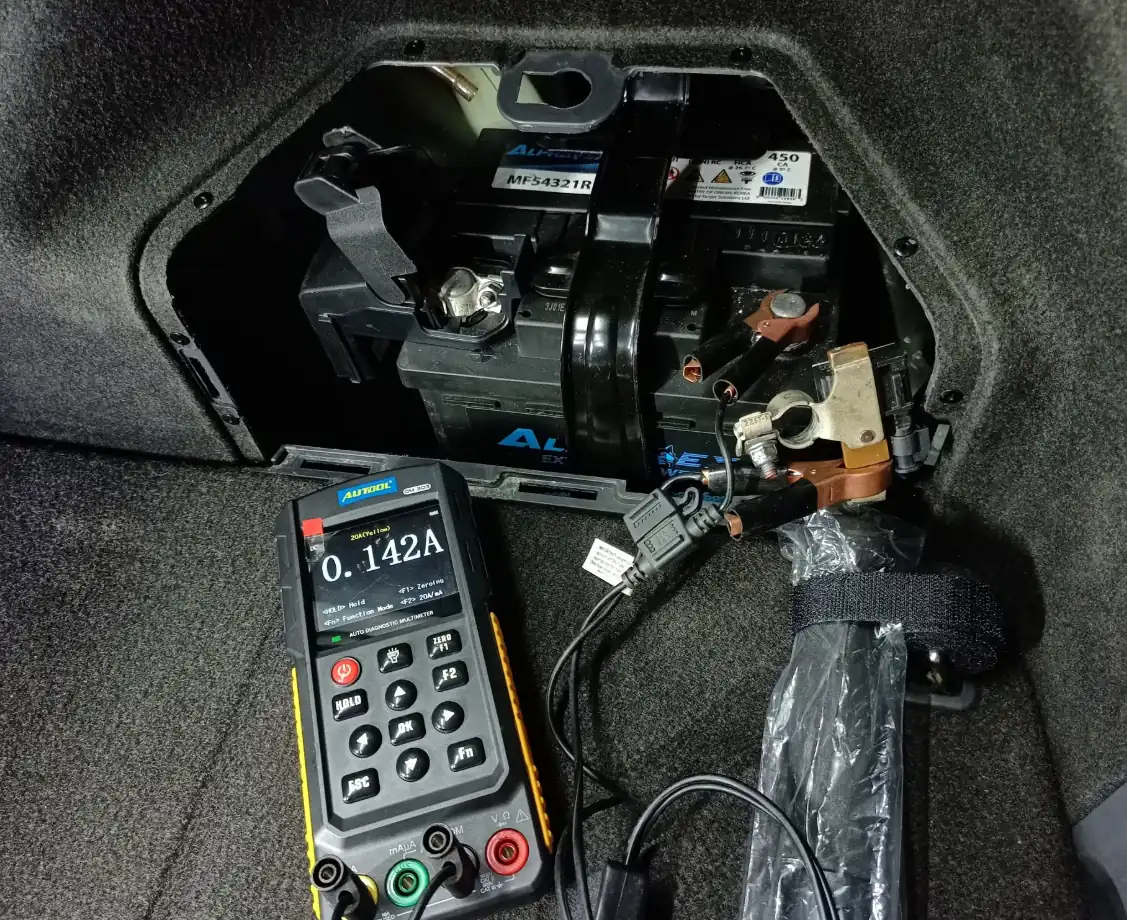
12V parasitic draw diagnosis
See what this involves →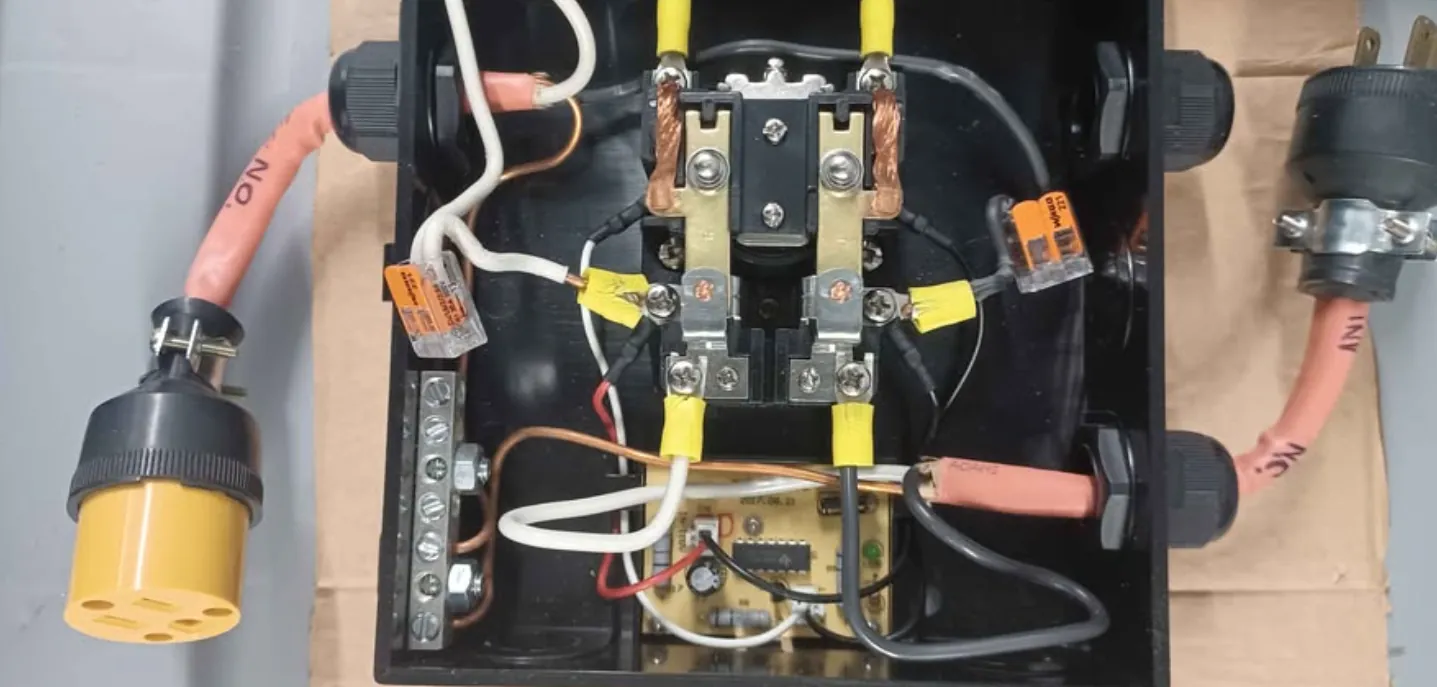
Automatic transfer switch
See what this involves →Your RV has two electrical systems, and they barely touch
A motorhome or travel trailer runs two independent systems that share a coach but not a wire. The 12-volt DC side is fed by the house battery bank and carries the interior lights, the water pump, the furnace blower and ignition board, the slide and leveling motors, the refrigerator control board and the LP and carbon monoxide detectors.
The 120-volt AC side arrives from the shore cord or the onboard generator, passes through a distribution panel of breakers, and feeds the wall receptacles, the microwave, the roof air conditioner, the water heater element and a residential refrigerator. Nothing on that list will work from the battery alone.
Two devices move power between the sides. A converter/charger turns 120-volt AC into 12-volt DC, charging the bank and running house loads whenever the rig is plugged in. An inverter pulls from the bank to feed selected outlets when shore power is gone. Working out which of the three is involved settles most of the question.
What the symptom pattern tells you before anyone opens a panel
Five patterns cover most calls, and each points at a different page. Lights, pump and fans work but the outlets and microwave are dead: the fault is on the AC supply, so start with the shore power inlet and pedestal, then the automatic transfer switch if a generator is involved.
Outlets work but the 12-volt lights are dim or gone: that is the DC side, meaning the battery bank, the converter/charger or the main DC fuse and disconnect. Everything dead on shore power but alive on the generator puts the fault between the pedestal and the panel, which is inlet and cordset territory.
Everything is dead only after you unplug: the bank is not carrying the coach, or the inverter never picked up. Everything works all evening and the bank is flat by morning: that is a parasitic draw or a converter that stopped charging, and a clamp meter separates the two. The generator running while the coach stays dark is its own case, and it is the transfer switch nearly every time.
What you can safely check, and the exact line where you stop
Four checks are genuinely owner-safe and resolve a real share of calls. Reset the GFCI receptacle, which usually hides in the bathroom or an exterior bay and often feeds outlets elsewhere in the coach. Check the 120-volt breakers and the 12-volt ATC blade fuses, confirm the battery disconnect is closed, and reseat the shore cord at both ends with the pedestal breaker off.
The line is not vague. Do not work inside a distribution panel or open the shore power inlet, and stop at browned plastic or the smell of hot insulation. If a metal handle or step tingles, kill the pedestal breaker before touching the rig: that is hot skin, and it can be the full 120 volts.
This is a code boundary, not a liability formula. The Onan installation manual requires AC output connections to be made by a trained electrician following the National Electrical Code, with GFCIs on convenience receptacles and an approved switching device keeping the generator from interconnecting with shore power. NFPA 70 Article 551 and NFPA 1192 sit behind that instruction.
The upgrade order that stops Florida owners paying twice

Owners here are usually weighing the same four purchases: lithium, solar, an inverter and a soft start. The order matters more than the brands, because three of them size each other.
Repair and measure first. Adding capacity on top of a converter stuck in float or an unfound parasitic draw just buys a more expensive battery to flatten. Soft start comes next, before you size anything: Micro-Air rates the EasyStart Breeze at up to a 75 percent reduction in starting current, and that figure decides how large an inverter and generator the roof air conditioner demands.
Lithium is third, because the bank sets the charge profile every other source must match. Convert before adding sources and the MPPT controller, the converter and the alternator DC-DC charger get configured once instead of twice. Solar goes last, since array size is decided by the bank and the usable roof you now have, and the inverter is sized to the loads that survived the soft start. Reverse any two steps and something gets bought at the wrong size.
Why Florida is harder on this system than anywhere else
Three pressures are specific to the state rather than general weather talk. NOAA's National Severe Storms Laboratory puts the highest annual frequency of cloud-to-ground lightning in the country in Florida, between Tampa and Orlando, and that energy reaches a parked coach through the pedestal and the cordset.
A basic surge block is a stack of metal oxide varistors and does nothing about the two supply faults that actually destroy equipment. An electrical management system watches continuously instead: Southwire lists its Surge Guard 34951 as protecting against open ground, open neutral, voltage below 102 or above 132, and an overheating plug or receptacle.
Heat is the second pressure, shortening lead-acid life, derating rooftop panels and pushing inverters toward thermal shutdown in a closed bay. The third is simply hours. Year-round air conditioning means the shore connection carries near-continuous current for months with no winter lay-up, so a blade contact that has lost spring tension reaches the burnt-inlet stage far sooner here than in a seasonal state.
Sources
Every figure on this page comes from a manufacturer document or a standards body, not from another repair site. Here is where each one comes from.
- NOAA National Severe Storms Laboratory - Lightning FAQStates that over the entire year the highest frequency of cloud-to-ground lightning in the US is in Florida between Tampa and Orlando, which is the basis for the surge exposure argument.
- Cummins Onan RV generator set installation manual 983-0600Manufacturer document stating the code requirements we name in prose: follow the National Electrical Code, have a qualified electrician supervise AC wiring, provide GFCIs on convenience receptacles, and use an approved switching device so the genset is never interconnected with shore power. Also lists NFPA 1192 and NFPA 70 Article 551 as the governing standards.
- Southwire Surge Guard 34951 product specificationsLists the faults an electrical management system actually watches for: power surges, open ground, open neutral, low voltage below 102V, high voltage above 132V, and an overheating plug or receptacle.
- Micro-Air EasyStart Breeze RV soft starterManufacturer figure of up to a 75 percent reduction in starting current, the number that drives the soft-start-first step in the upgrade sequence.
- Victron Orion-Tr Smart isolated DC-DC chargerConfirms the DC-DC charger sits between the starter battery and alternator and the service battery, and suits both lead-acid and lithium banks, which is why the alternator charge path is one of the sources a lithium conversion has to reconfigure.
Related systems
Where we work
What this usually costs
| Item | Price | What it covers |
|---|---|---|
| Service call | $299 | Includes the trip out to your RV and the first hour on site |
| Work past the first hour | Quoted after diagnosis | We tell you what it will take before we carry on |
| Parts | Quoted per job | Special-order parts may need a deposit before we order them |
| Written estimate | No charge | You approve the estimate before any work starts |
The service call covers the trip out to your RV and the first hour on site. Anything beyond that depends on what we find, and we quote it and get your approval before carrying on.
The price ranges on this page come from our own recent jobs across Florida, not from an industry average. What you pay depends on the rig, the parts it needs and what we find on site, so we give you a written estimate before any work begins and you approve it first.
Frequently asked questions
Can you diagnose electrical problems in my RV?
Yes, and the work is mobile, so the coach stays where it is parked. A diagnostic visit works both systems in order: voltage and charge current at the battery bank and converter output on the DC side, then supply voltage at the inlet, the distribution panel and the transfer switch on the AC side. The service call covers the trip out and the first hour on site. What happens past that hour depends on what the measurements turn up, and it is quoted for your approval before any further work goes ahead.
Could it be electrical, or is the appliance itself bad?
Often it is the supply, and there is a fast way to tell. Where an appliance has two power sources, use them: a refrigerator that quit on shore power but still cools on propane has a 120-volt supply problem rather than a cooling problem. A slide or leveling jack that crawls and stalls is usually reporting battery voltage instead of a failing motor. If two unrelated things stopped at the same moment, the shared item is almost always the supply, the panel or the transfer switch.
What does a red light on my RV electrical box mean?
A red indicator belongs to one of three devices, and identifying which one narrows the fault immediately. On a surge protector or electrical management system it is reporting the pedestal, most often an open ground, reversed polarity or voltage outside the unit's window, which means the rig was never connected. On a converter or inverter/charger it reports the charging section, so it usually means a lost 120-volt input or an opened DC fuse. On a transfer switch it means the box never closed toward the source you are running.
How much do you charge for RV electrical diagnosis?
Diagnosis is billed as a service call that includes the trip out and the first hour on site, and the current figure appears in the pricing table on this page. Beyond that first hour the cost follows the fault, and it is quoted and approved before anything continues. Electrical work is timed rather than flat rated because the spread is enormous: an inverter left switched on is a short visit, while a chafed conductor grounding to the frame ahead of every fuse has to be traced by hand.