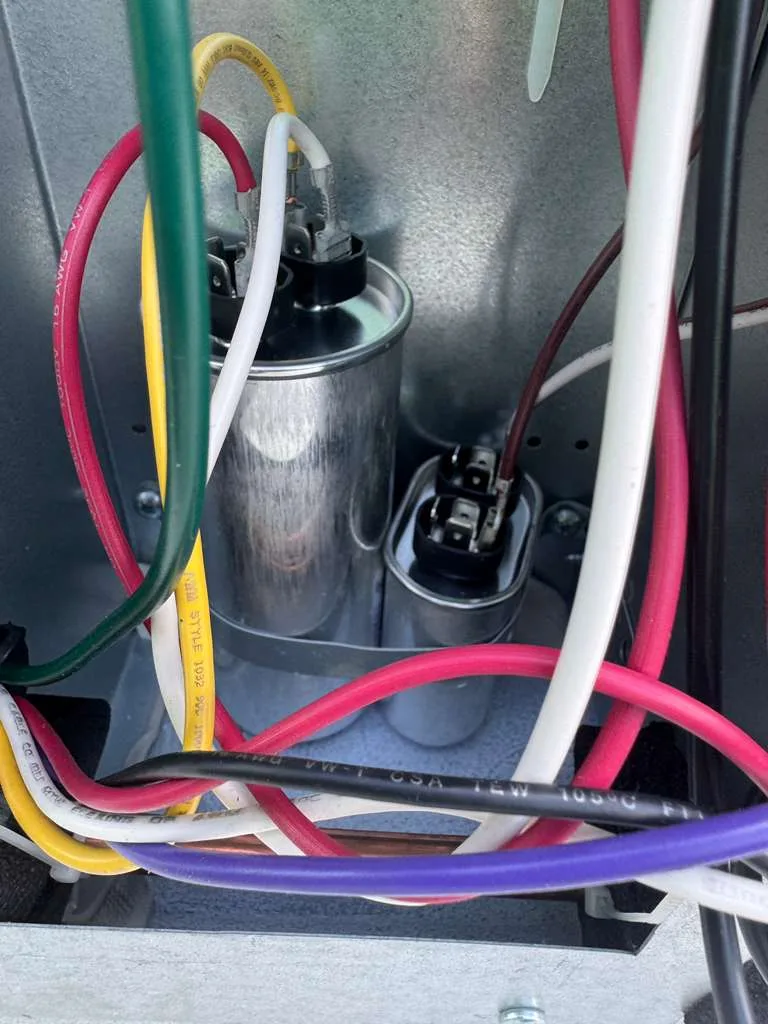
RV AC and Heating Repair: Mobile Diagnosis Across Florida
Not cooling, weak airflow or a breaker that trips? Work out which RV AC or furnace fault you have, then get the right tech to it. Call 888-759-1438.
Three different faults arrive as the same sentence: the air conditioner is not working. A cooling fault makes air that is not cold. An airflow fault makes cold air that never reaches you. A power fault stops the compressor from starting at all. Two observations separate them: the temperature drop between the return grille and the nearest register, and whether the breaker holds. Everything after that is model specific.
What we handle in this category
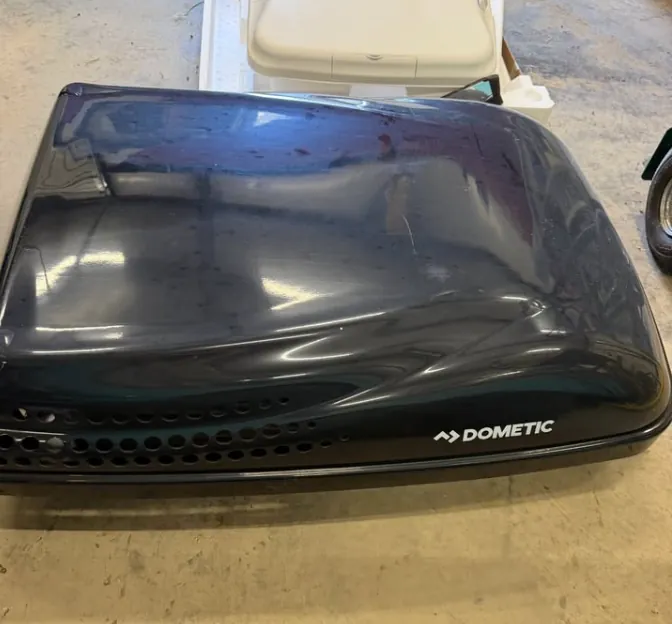
Dometic Penguin II rooftop AC
See what this involves →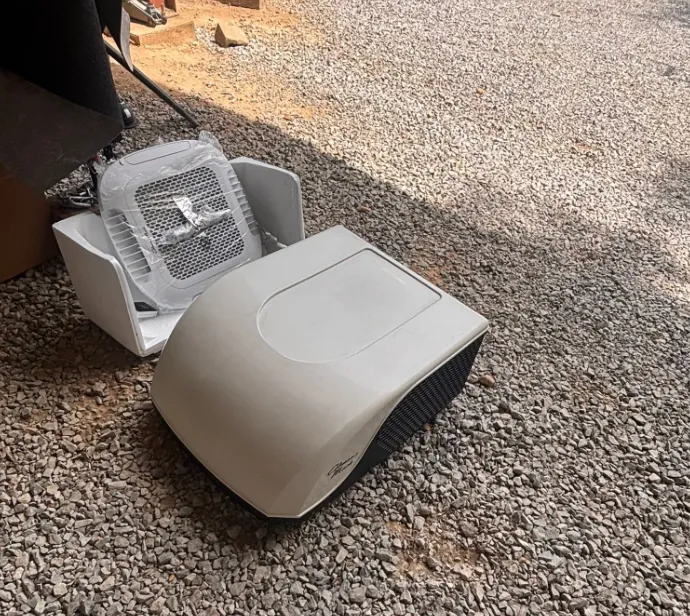
Coleman-Mach rooftop AC
See what this involves →
Furrion Chill AC + Bluetooth control
See what this involves →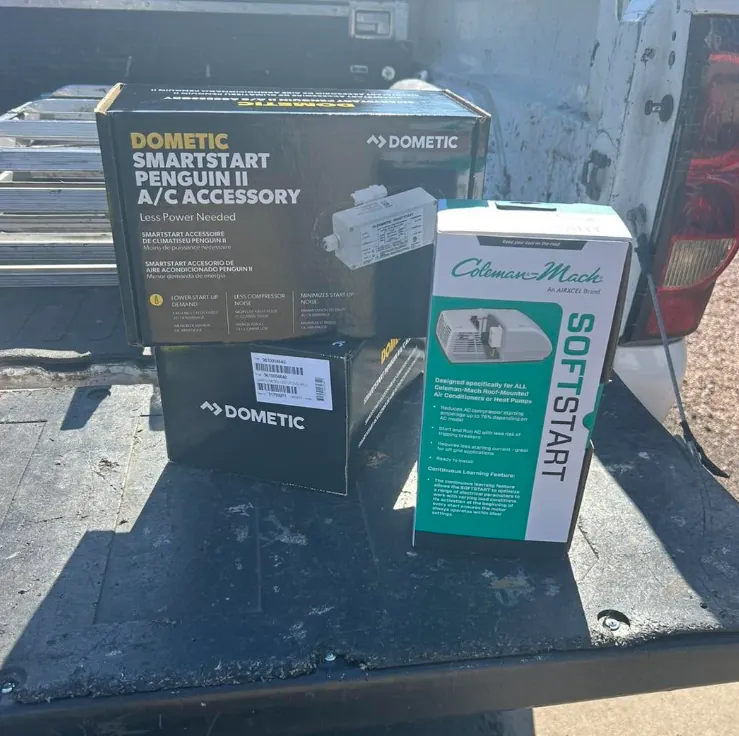
Soft start capacitor install
See what this involves →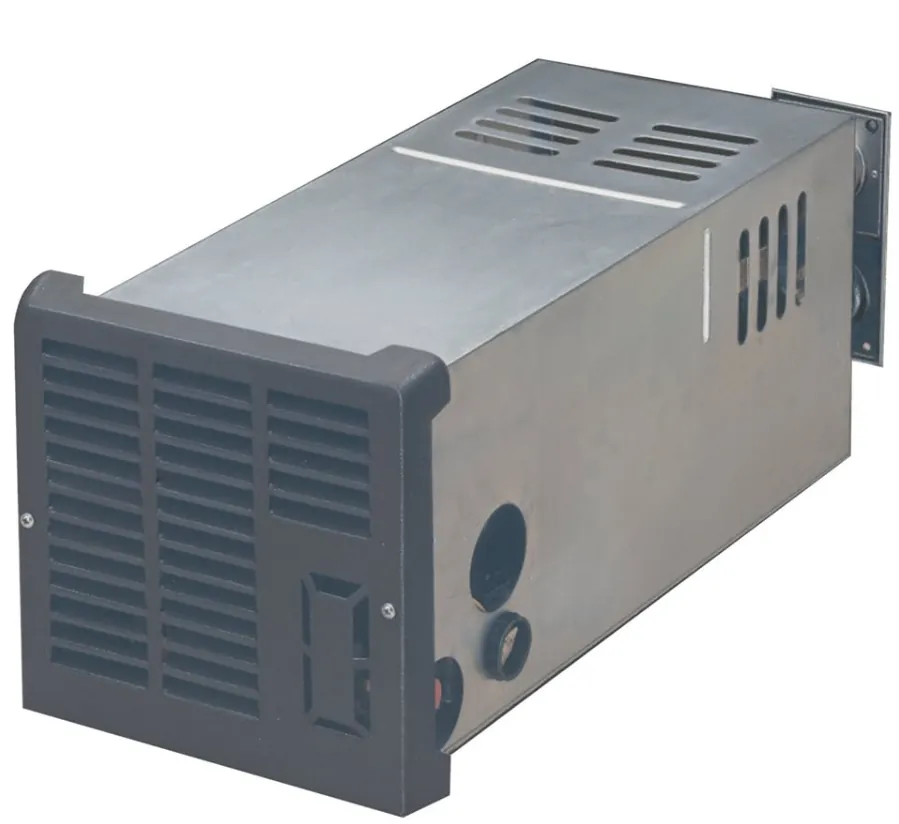
Suburban NT/SF furnace
See what this involves →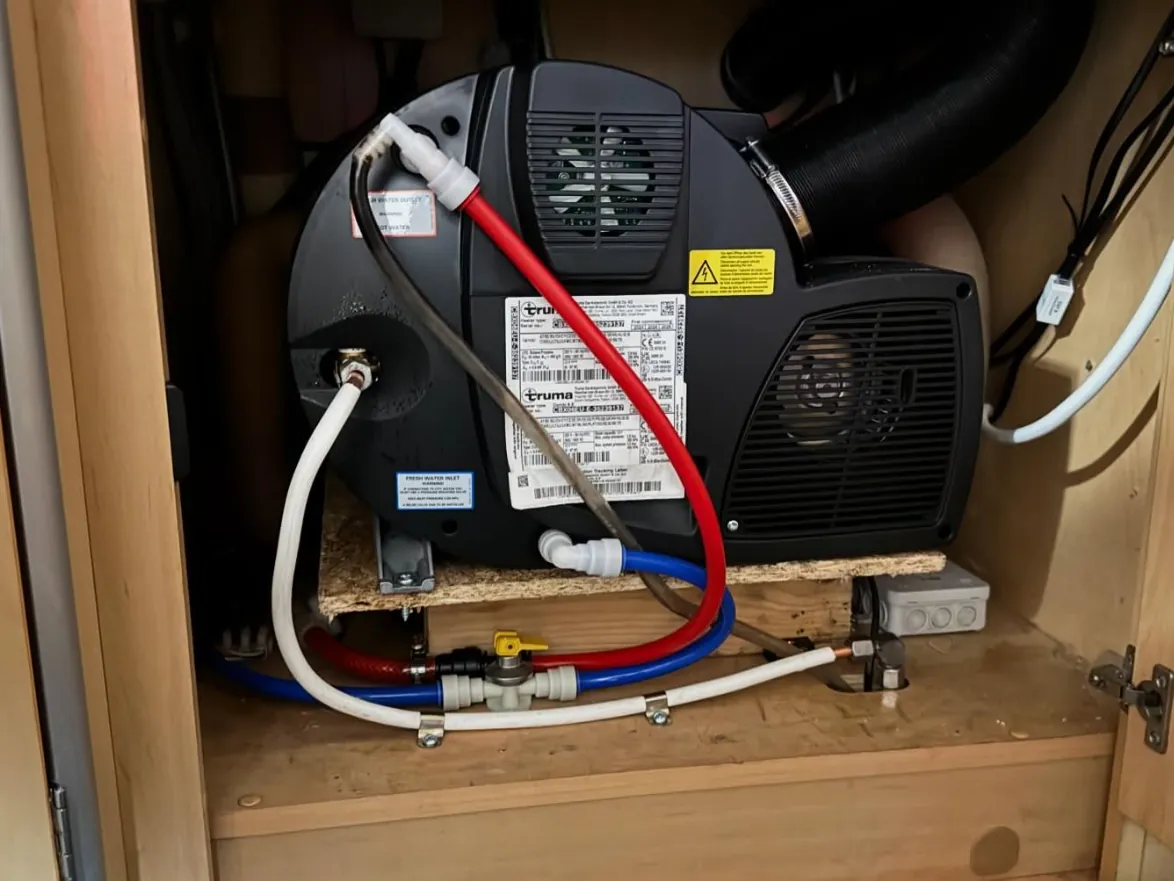
Truma Aventa and Combi
See what this involves →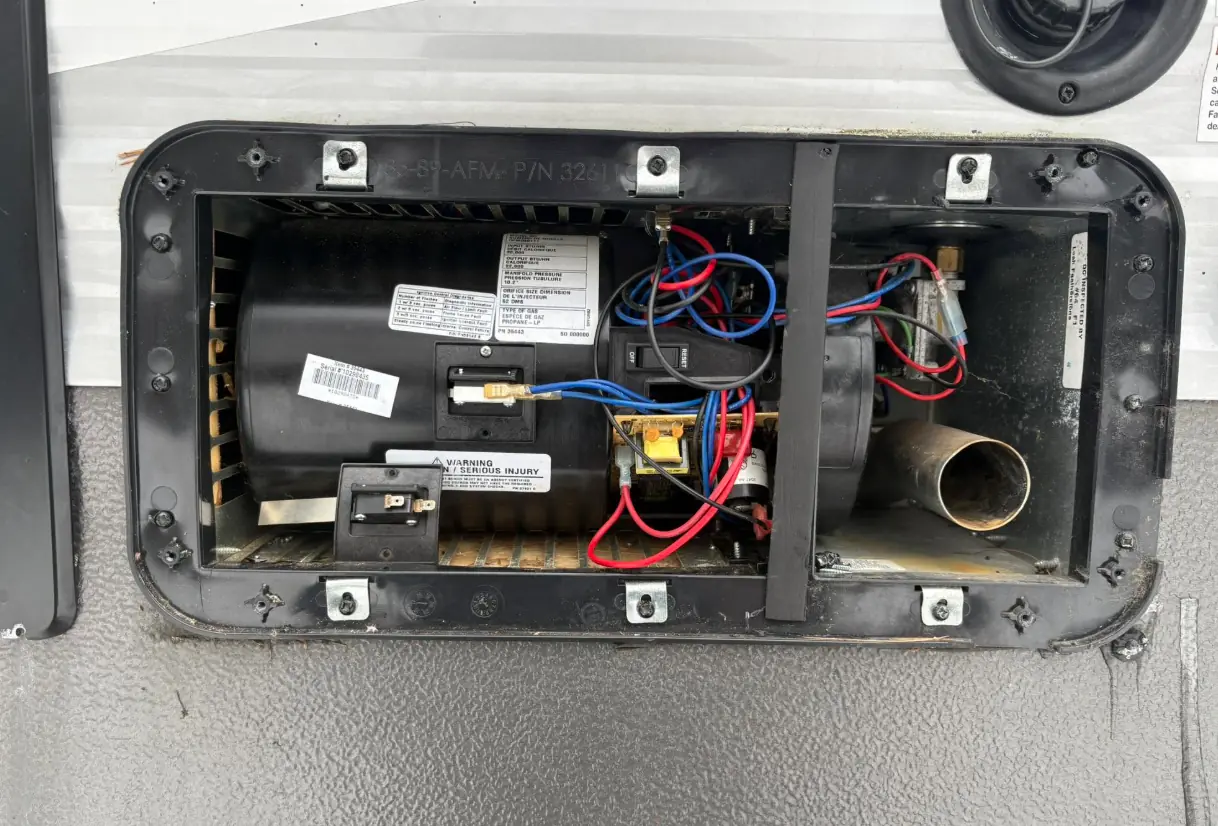
Heat pump changeover + low-temp lockout
See what this involves →Cooling, Airflow or Power: Which One Do You Actually Have
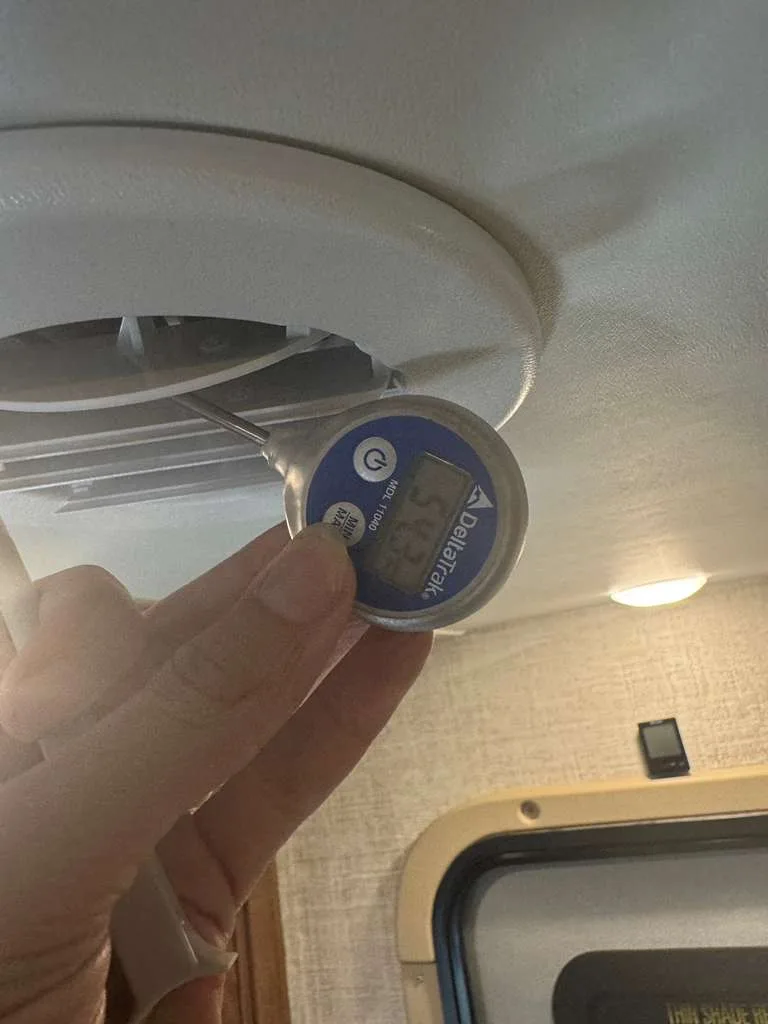
These three faults produce an identical complaint and an identical phone call, so separate them before booking anything. Hold a thermometer at the return air grille on the ceiling assembly, then at the nearest supply register, and watch the breaker while the unit starts. A cooling fault shows a small split, under roughly ten degrees, with normal air volume: the unit moves plenty of air and none of it is cold. An airflow fault shows a wide split with feeble volume, often with ice on the coil behind the filter, because the same cooling is being spread across far less air. A power fault never gets that far. The compressor grunts, clicks, and the fan carries on blowing warm, or the breaker drops the instant it tries. Airxcel publishes the pass mark for the first two: supply air 15 to 20 degrees below return air means the unit is working. Which of the three you have decides who needs to look at it and what it will take.
Find the Nameplate Before You Book Anything
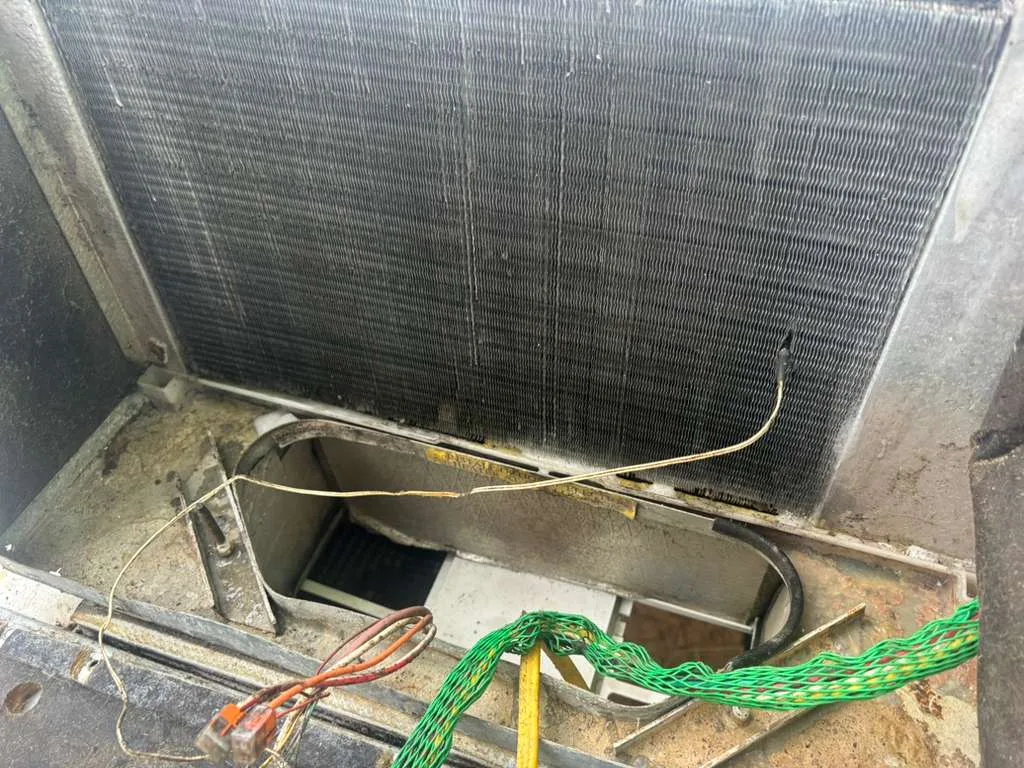
Almost every answer downstream depends on which unit is bolted to your roof, and that is rarely visible from a chair. On Dometic and Coleman-Mach rooftops the model and serial label sits on the base pan under the shroud, hidden from the ground and from inside the coach. What you can see is the ceiling assembly and the control, and that alone usually places the unit in one of four families. A Dometic Penguin II or Brisk Air II answers to a Dometic ceiling assembly and thermostat. A Coleman-Mach is an Airxcel unit whose whole electrical box lives on the roof beside the compressor. A Furrion Chill is the reverse: its control box and DIP switches mount inside the ceiling frame behind the shroud, with a Furrion FACW12 series wall control. A Truma Aventa has no wall thermostat at all, only a wireless remote or a CP plus panel. Photograph the ceiling assembly, the thermostat and the roof before you call.
What a Rooftop Unit Can and Cannot Do in a Florida August
A rooftop air conditioner has no target temperature. It removes a fixed quantity of heat per hour and cools the air passing through it by a fixed amount, so its output tracks whatever it is fed. Airxcel's own worked example is 80 degree return air producing 60 to 65 degree supply air. Feed that same healthy unit a coach that has climbed to 95 degrees inside and the best it can make is 75 to 80 degree supply air. That is why a correct unit in direct sun will not reach a low set point, and why a set point is a request rather than a capability. Airxcel names what beats it: vehicle size, glass area, insulation, sun exposure, occupancy and outdoor temperature. Its own remedies are shade, closed windows and doors, drawn blinds, and not running heat producing appliances, with awnings, tinting and added insulation as permanent fixes. Turning the thermostat lower does none of that, and Furrion warns that a MAX COOL setting overnight ices the coil instead.
Symptom to Page: Where Each Cooling Complaint Goes
Blows but never gets cold, with the fan running normally, is a sealed system, capacitor or coil question, and it belongs on the page for your brand: Dometic Penguin II, Coleman-Mach, Furrion Chill or Truma Aventa. Cold air with weak volume, or water appearing at the ceiling while the unit runs, is airflow and drainage, covered on those same brand pages. Trips the breaker the moment the compressor starts, or stalls a generator, is a startup surge rather than a cooling fault, and that is the soft start install page. Cools for ten minutes then quits until it has rested is compressor lockout, and the Coleman-Mach page walks that one. Cools, then blows warm for a few minutes during heating weather, is a defrost cycle on the heat pump changeover page. Runs constantly while the coach never catches up, with a healthy 15 to 20 degree split, is capacity rather than a repair, and the section above is the whole answer.
No Heat: Furnace, Heat Pump, or Neither Being Broken
Two entirely different machines make heat in an RV, and a large share of no-heat calls in Florida are a heat pump behaving exactly as designed. Dometic's Single Zone LCD thermostat locks the heat pump out below 30 degrees, and Airxcel states plainly that a heat pump will not operate at ambient temperatures below freezing and is not a replacement for a furnace. Between 30 and 42 degrees Dometic runs a defrost cycle every 25 minutes of compressor run time, and its own manual says the cold air felt at the registers during that is normal and not a malfunction. Those belong on the heat pump changeover page. A propane furnace that spins its blower and never lights is a different sequence entirely, and that is the Suburban NT and SF furnace page. Stop after three failed attempts: Suburban instructs owners not to keep cycling the thermostat, because each failed try sends propane to a burner that never lit it.
Sources
Every figure on this page comes from a manufacturer document or a standards body, not from another repair site. Here is where each one comes from.
- Airxcel 48000 Series Heat Pumps - Installation, Operation and Maintenance InstructionsThe manufacturer's definition of correct operation as supply air 15 to 20 degrees cooler than return air, with the worked example of 80 degree return air giving 60 to 65 degree supply air; the list of heat gain variables (vehicle size, window area, insulation, sun exposure, occupancy, outdoor temperature) that can exceed the unit's capacity; the remedies of shade, closed windows and doors, window shades and avoiding heat producing appliances, plus insulation, awnings and glass tinting as permanent fixes; and the statement that a heat pump is not a total replacement for a furnace and will not operate at ambient temperatures below freezing.
- Dometic Single Zone LCD Thermostat Operating InstructionsThe Low Ambient Heat Pump Lock Out that prevents heat pump operation below 30 degrees Fahrenheit, and the defrost cycle that repeats every 25 minutes of compressor run time while the outside temperature is below 42 and above 30 degrees, with Dometic's own statement that the cold air the user feels at the registers during defrost is normal and is not an indication of malfunction.
- Furrion Chill 13.5K / 15K / Low Profile (R32) Troubleshooting and Service ManualFurrion's instruction not to leave the temperature control at MAX COOL at night because it causes frost and ice buildup, the requirement to keep at least two duct vents open in COOL mode, and the statement that the unit can freeze up when ambient temperature is relatively low, around 78 degrees Fahrenheit.
- Suburban (Airxcel) All Suburban Gas Furnaces Operation GuideThe instruction that after three attempts with no ignition the owner must turn the furnace off and contact a service agency, and specifically must not continue cycling the furnace through the thermostat trying to start it.
- Coleman-Mach RV air conditioner product familiesThat Coleman-Mach rooftop air conditioners are sold as distinct product series with their own ceiling assemblies, electric heat kits and thermostats, supporting the point that the ceiling assembly and wall control are what place a unit in a family before anyone reads the nameplate on the base pan.
Related systems
Where we work
What this usually costs
| Item | Price | What it covers |
|---|---|---|
| Service call | $299 | Includes the trip out to your RV and the first hour on site |
| Work past the first hour | Quoted after diagnosis | We tell you what it will take before we carry on |
| Parts | Quoted per job | Special-order parts may need a deposit before we order them |
| Written estimate | No charge | You approve the estimate before any work starts |
The service call covers the trip out to your RV and the first hour on site. Anything beyond that depends on what we find, and we quote it and get your approval before carrying on.
The price ranges on this page come from our own recent jobs across Florida, not from an industry average. What you pay depends on the rig, the parts it needs and what we find on site, so we give you a written estimate before any work begins and you approve it first.
Frequently asked questions
How do I tell whether my RV air conditioner is broken or just outmatched?
Compare return and supply air. Put a thermometer at the ceiling return grille, then at the nearest register. Airxcel defines correct operation as supply air 15 to 20 degrees below return air, so a unit holding that split is doing its job even if the coach sits at 82 degrees. If the split is there and the coach still never catches up, the limit is heat gain rather than the machine, and no repair changes it. A split under ten degrees is a fault.
Will a soft start or a second air conditioner fix a coach that never gets cold?
They solve different problems. A soft start only cuts the startup surge so the compressor can start on a 30 amp pedestal or a generator, and it adds nothing to running capacity. A second rooftop unit does add capacity, but it needs 50 amp service to run alongside the first. If your existing unit holds a 15 to 20 degree split, more capacity is the honest answer. If it does not, repair it first.
Do I need to know my AC brand and model before booking?
No, though a photo shortens the visit. The model and serial label on a Dometic or Coleman-Mach sits on the base pan under the rooftop shroud, so nobody reads it from inside the coach. Photograph the ceiling assembly, the wall thermostat and the roof, and that usually places the unit in one of the four families. It matters because capacitors, fan motors, ceiling assemblies and thermostats do not cross between brands.
My AC cools for a while and then stops. Which repair is that?
The season decides. In cooling weather, a unit that runs ten minutes and then blows warm until it rests is usually the compressor tripping its own overload, which the Coleman-Mach page covers. In heating weather, a heat pump that goes cold for a few minutes and then recovers is running a defrost cycle, and Dometic states that is normal. Ice on the indoor coil points at airflow and the return filter instead.