
RV Generator Repair in Florida: Fault Codes, Fuel, Output
Mobile RV generator repair across Florida. Read your set's own blink code, tell a fuel fault from an ignition or control fault. Call 888-759-1438.
An RV generator that will not run has one of three faults: fuel, spark and ignition, or the control that sequences them. The set names which one itself, because after any shutdown its status light blinks a stored fault code. Reading that code takes a minute and costs nothing, and it decides whether the job is a carburetor, a coil, a control card, or the transfer switch downstream that the generator gets blamed for.
What we handle in this category
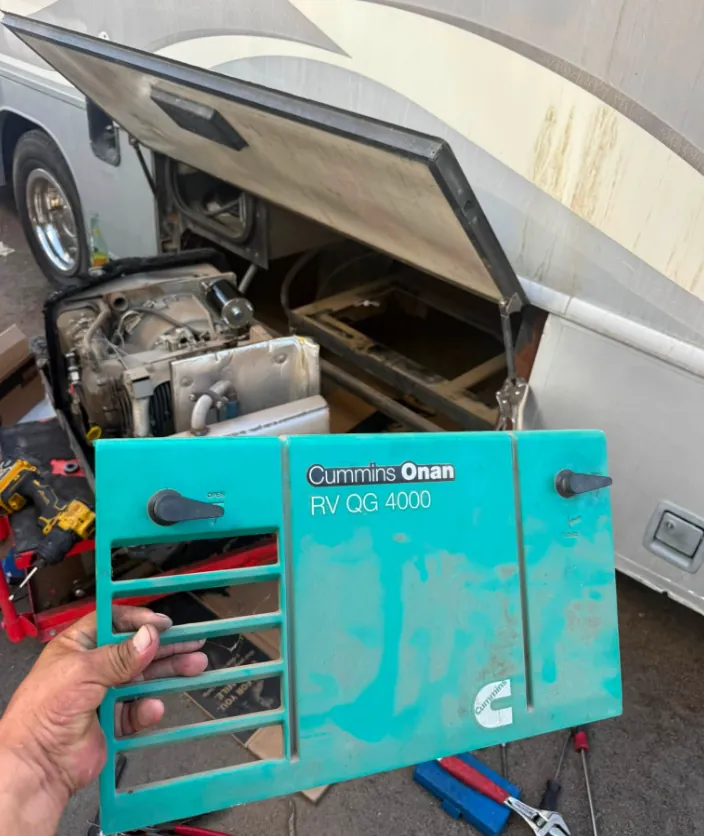
Onan QG / Marquis service
See what this involves →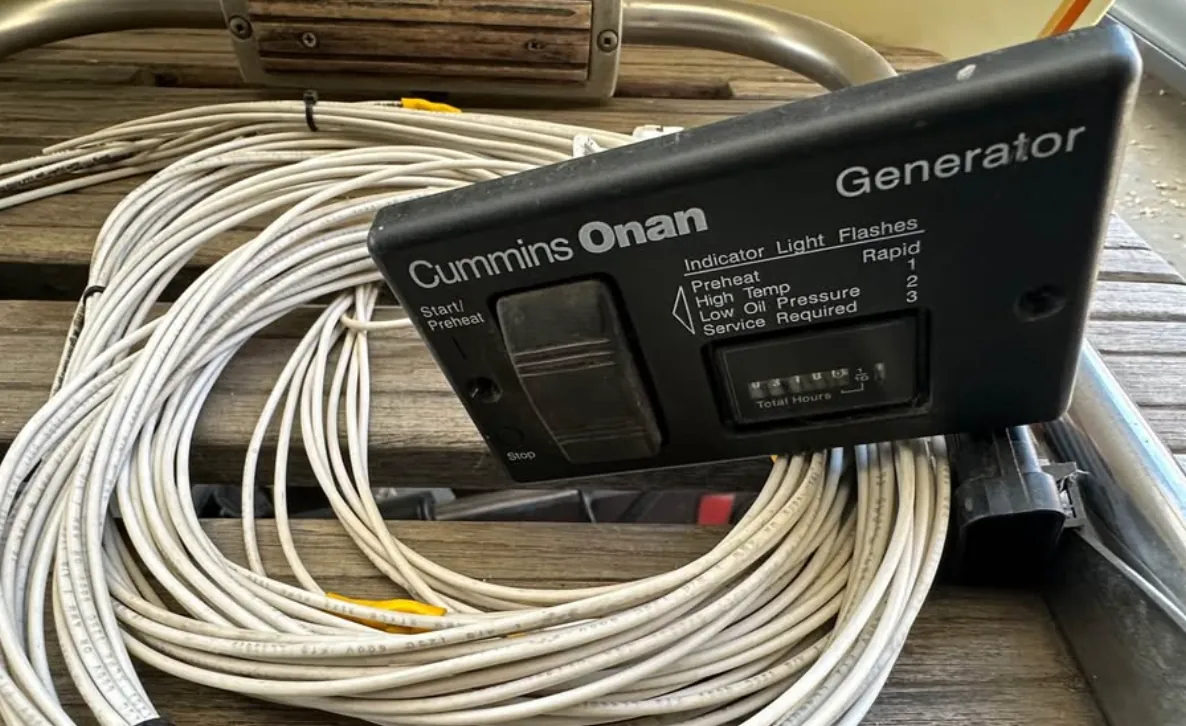
Cummins generator control board
See what this involves →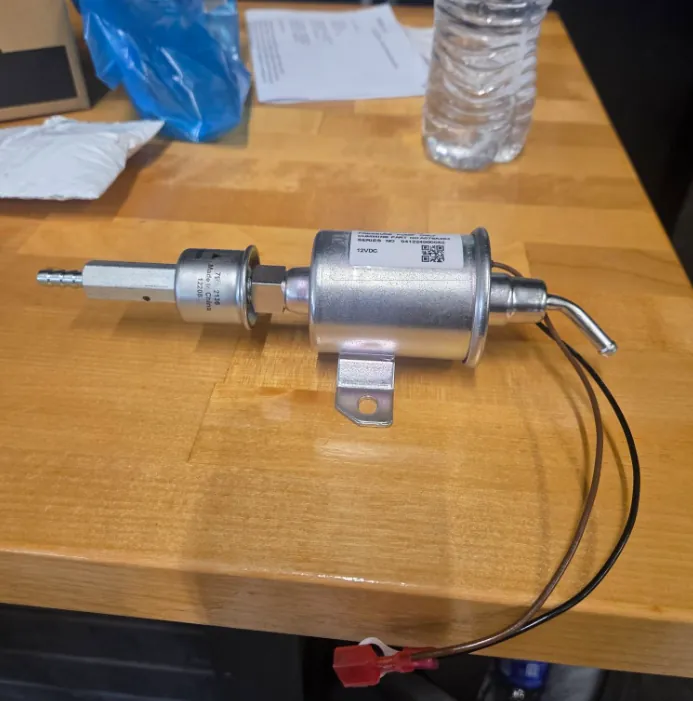
Generator fuel pump + carb rebuild
See what this involves →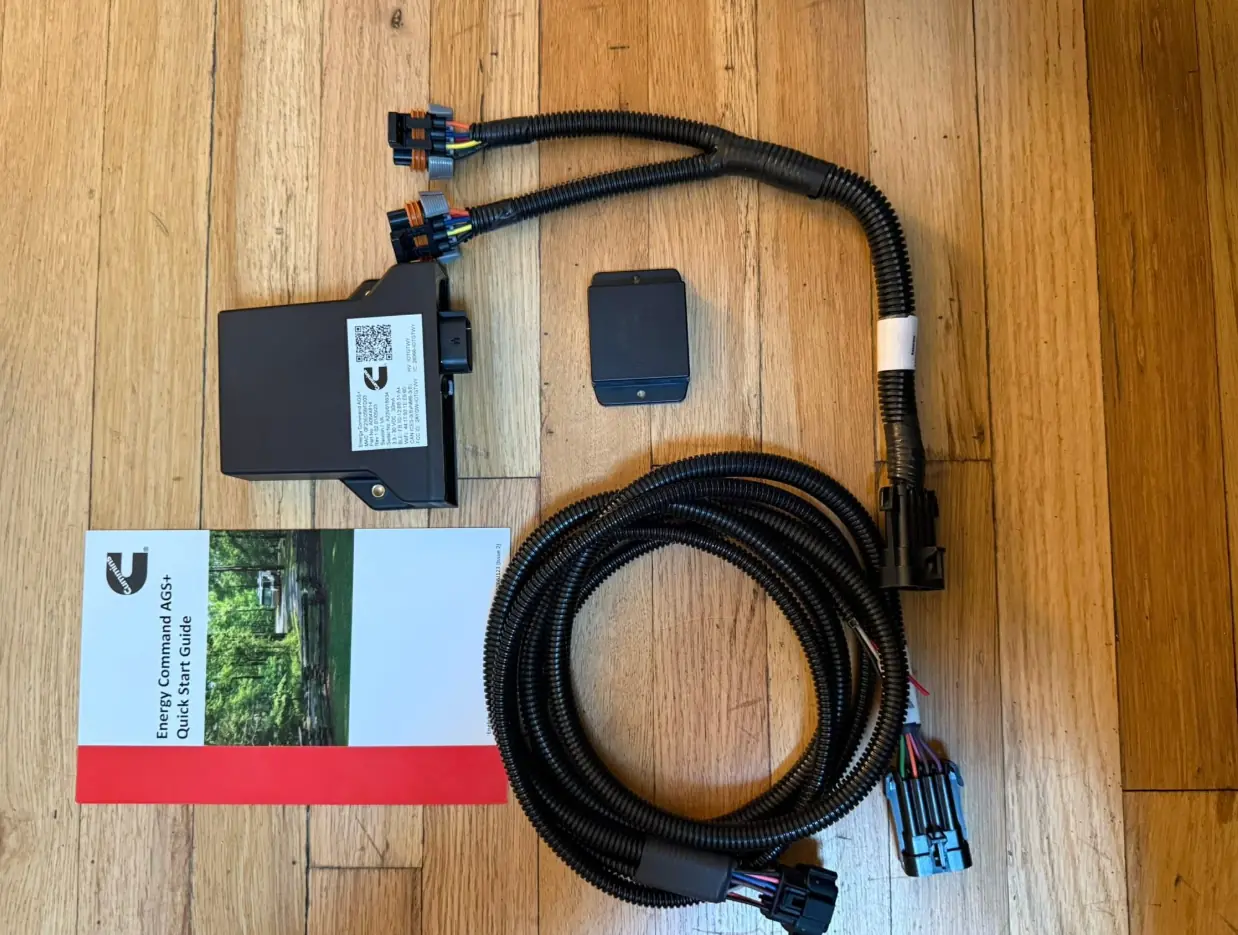
Auto-start and remote install
See what this involves →Fuel, ignition or control: which of the three you actually have
A generator that will not run is not one fault. It is three families of fault wearing the same symptom, and every repair decision follows from which family you are in. Fuel means the engine never receives a burnable charge, whether from an empty pickup, a varnished jet or a dead pump. Ignition means the charge arrives and nothing lights it, so the spark plug, the plug lead, the coil or the magneto is at fault. Control means engine and fuel are both fine, but the card never commands a start or never permits one. Cranking behavior sorts the three faster than any part swap. Strong steady cranking with no fire is fuel or ignition. A set that catches and dies within seconds is fuel starvation. Nothing turning at all is battery, starter or control, and on most coaches the genset cranks from the chassis battery rather than the house bank, so a healthy inverter display tells you nothing at all.
How to make the generator tell you its own fault code
Onan sets store the last shutdown and report it by blinking the status light inside the control switch. The gesture that plays it back is not printed anywhere an owner normally looks. On the KY gasoline family, a repeating group of three blinks means a service fault is stored, and pressing Stop once makes the light flash a two-digit number as one group of blinks, a pause, then a second group. Four blinks on its own is not a stored code at all. It is overcrank, meaning the set cranked past fifteen to twenty seconds without firing. Playback stops after five minutes, and pressing Stop three times inside five seconds brings it back. Two traps follow. A first-level three or four is not code 33 or 44, which are unassigned. And the starter is what an impatient owner breaks: Cummins Onan asks for five seconds between attempts and a thirty second cooldown after every fifth crank. The code lists themselves, family by family, belong on our Cummins generator control board page.
Disuse ruins more RV generators than running hours do
The generator that fails is rarely the one that worked hard. It is the one that sat. Gasoline oxidizes in place, ethanol pulls water out of humid bay air, and the light fractions that make an engine catch are the first to leave. What stays behind in the bowl and the jets dries into gum and varnish, so a set that ran fine last season cranks and cranks this one. Cummins Onan answers that with an exercise interval rather than a repair: run the genset at least two hours a month at roughly half its rated power, and one unbroken two hour run is worth more than several short ones. The manual is explicit about why, and it is four separate jobs at once. Running drives moisture out, re-lubricates the engine, pushes stale fuel out of the lines and carburetor, and burns the oxide film off the electrical contacts and the slip rings. Past 120 idle days, storage preparation replaces exercise.
Symptom triage: what your set is doing, and where that goes
Cranks strongly and never fires, or starts and dies within seconds, is the fuel side, and it belongs on our generator fuel system rebuild page. Will not crank at all, or a dead panel with a light that only blinks, is start circuit or control, covered on the Cummins control board page. Runs rough under load, smokes, or falls over when the second air conditioner starts is carbon, a clogged spark arrestor screen or worn brushes, which is the Onan generator service page. Runs perfectly but nothing works inside the coach is the trap. That is usually not the generator at all. It is the automatic transfer switch, the sealed box that has to close before genset power ever reaches the panel, and it has its own page. Power on some circuits but not others points at the distribution panel or a tripped breaker rather than the set. Shuts itself down unprompted is a code to read first, most often low oil or overload.
Exhaust, obstruction and carbon monoxide: the exact rules
Generator exhaust is the one part of this system that kills people, and Cummins Onan writes the requirement in measurements rather than advice. The tailpipe must extend at least one inch beyond the perimeter of the coach, must never terminate underneath it, and must sit no closer than six inches to any door, window, vent or unsealed compartment. Generator and vehicle engine exhaust are never interconnected. Obstruction matters just as much. The space below the cooling air outlet has to stay clear for twelve inches and open on at least three sides, which is why backing hard against a berm, a curb, a log or a wall is a hazard rather than a tidy parking job. Never occupy a coach with the set running unless a carbon monoxide alarm is working, and test the alarms and inspect for exhaust leaks before the first start of the day and every eight running hours. EPA notes carbon monoxide is odorless and colorless and can linger for hours after the engine stops.
Sources
Every figure on this page comes from a manufacturer document or a standards body, not from another repair site. Here is where each one comes from.
- Cummins Onan operator manual, RV generator set KY series (Spec J-N), publication 981-0159The code-reading gesture and the crank discipline: three blinks means a service fault is stored and pressing Stop once flashes the two-digit code as tens then units; four blinks is overcrank, defined as cranking that exceeded fifteen to twenty seconds without the engine starting; the code stops blinking after five minutes and Stop pressed three times within five seconds restores it; first-level codes 3 and 4 must not be read as 33 and 44, which are unassigned; wait five seconds for the control to reset between tries and let the starter motor cool for thirty seconds after every fifth crank. The same manual carries the exercise instruction of at least two hours a month at approximately half rated power, states that a single two hour period is better than several shorter ones, lists what exercising does (drives off moisture, re-lubricates the engine, replaces stale fuel in fuel lines and carburetor, removes oxides from electrical contacts and generator slip rings), sets the 120-day storage threshold, and gives the carbon monoxide rules: never occupy the vehicle with the genset running unless it has a working carbon monoxide detector, and test the detectors and inspect for exhaust leaks before the first start of the day and after every eight hours of running.
- Cummins Onan installation manual, RV generator set HGJAA and HGJAB (A035D005)The exhaust and obstruction measurements: do not terminate the tailpipe underneath the vehicle and extend it a minimum of 25 mm (1 in) beyond the perimeter of the vehicle; do not terminate it closer than 153 mm (6 in) to any opening such as a door, window, vent or unsealed compartment; do not interconnect generator set and vehicle engine exhaust systems; and keep the space below the generator set cooling outlet unobstructed for at least 305 mm (12 in) and open on at least three sides, with a ground clearance of at least 12 inches recommended so parking curbs, berms or logs do not block airflow.
- US EPA, Carbon Monoxide's Impact on Indoor Air QualityThat carbon monoxide is odorless, colorless and toxic and can kill before a person is aware of it, that deadly levels build up quickly around a running generator and can linger for hours even after it has shut off, and that acute effects come from carboxyhemoglobin forming in the blood and inhibiting oxygen intake.
Related systems
Where we work
What this usually costs
| Item | Price | What it covers |
|---|---|---|
| Service call | $299 | Includes the trip out to your RV and the first hour on site |
| Work past the first hour | Quoted after diagnosis | We tell you what it will take before we carry on |
| Parts | Quoted per job | Special-order parts may need a deposit before we order them |
| Written estimate | No charge | You approve the estimate before any work starts |
The service call covers the trip out to your RV and the first hour on site. Anything beyond that depends on what we find, and we quote it and get your approval before carrying on.
The price ranges on this page come from our own recent jobs across Florida, not from an industry average. What you pay depends on the rig, the parts it needs and what we find on site, so we give you a written estimate before any work begins and you approve it first.
Frequently asked questions
How do I read the fault code on my Onan generator?
Watch the status light in the generator's own control switch, not the panel inside the coach. After a shutdown a repeating group of three blinks means a fault is stored, and pressing Stop once flashes it as a two-digit number: one group of blinks, a pause, then a second group. Four blinks alone means the set cranked past fifteen to twenty seconds without firing. If nothing flashes, the code timed out after five minutes, and pressing Stop three times inside five seconds restores it.
The generator runs fine but nothing inside the coach works. Is the generator bad?
Usually not. If the set starts, holds speed and makes voltage at its own output, it has done its job. The automatic transfer switch sits downstream and has to close a set of contacts before that power reaches the distribution panel, and it takes a deliberate delay before it does. Measuring at the transfer switch output while that delay expires answers the question in one reading, and that repair has its own page.
How often should I run my RV generator if I barely use it?
Cummins Onan asks for at least two hours every month at roughly half rated power, and it states that one unbroken two hour run beats several short ones. Idling it for ten minutes in the driveway does not qualify and does not help. If the coach will sit longer than 120 days, storage preparation replaces exercise, because at that point the fuel standing in the lines and the bowl is the problem rather than the engine.
Do you work on RV generators?
Yes, and the work is mobile, so a technician comes to the coach rather than the coach going to a shop. Have the model and spec letter from the generator nameplate ready, plus the two-digit code if the set still blinks one, because those decide which manual the visit is worked from. The service call covers the trip out and the first hour on site, and the current rate is in the pricing table on this page.
My generator has not run since last hurricane season. Will it start when a storm comes?
Assume not, and test it now rather than in a queue at a fuel station. A set that has sat through a Florida summer has had months for the fuel in its bowl to varnish and for water to collect in the tank, and a storm outage then asks it to run for days rather than an afternoon. Running it under load for two hours this month is the cheapest storm preparation there is.