
RV Inspection Services in Florida: Which One Do You Need
Six different RV inspections, one right answer: pre-purchase, pre-trip, moisture, insurance, warranty and post-storm. Call 888-759-1438 to book.
RV inspection is not one service. Six exist, and they are separated by purpose and audience: pre-purchase for a buyer, pre-trip for a departure decision, a moisture and leak survey for a diagnosis, an insurance damage appraisal and warranty claim documentation for a carrier to accept, and a post-hurricane assessment for a storm claim. Each produces a different document. Booking the wrong one wastes the visit.
What we handle in this category
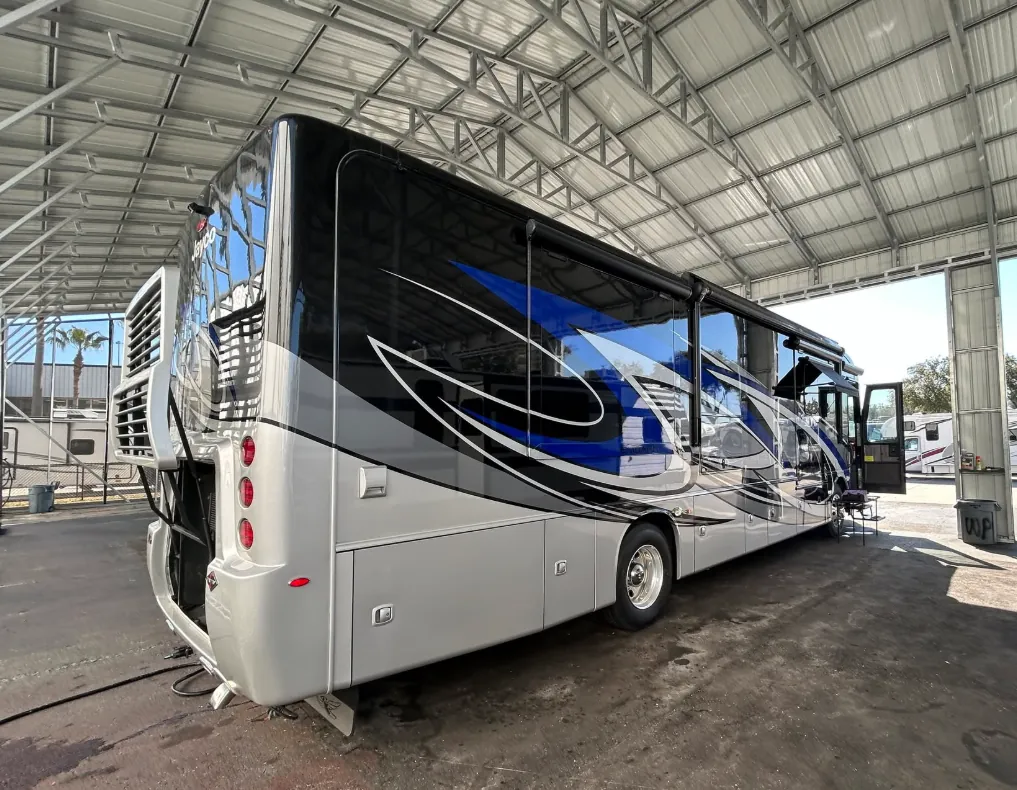
Pre-purchase inspection
See what this involves →
Moisture and leak survey
See what this involves →
Pre-trip safety inspection
See what this involves →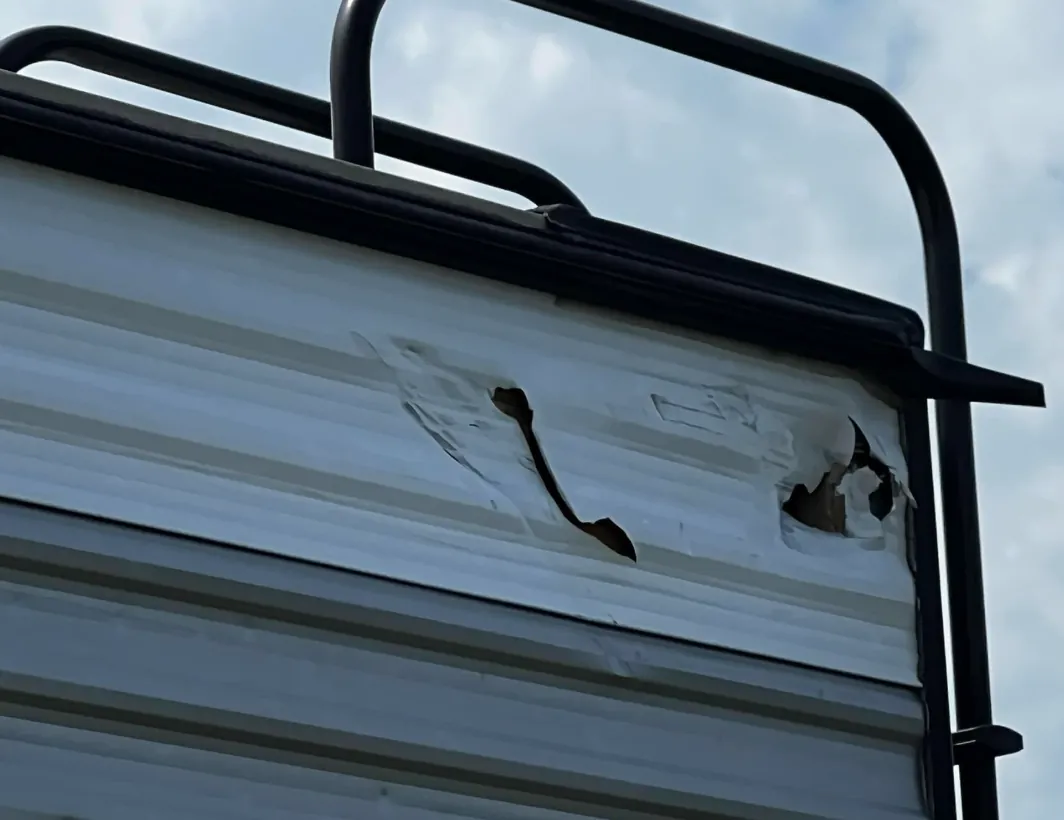
Insurance damage appraisal
See what this involves →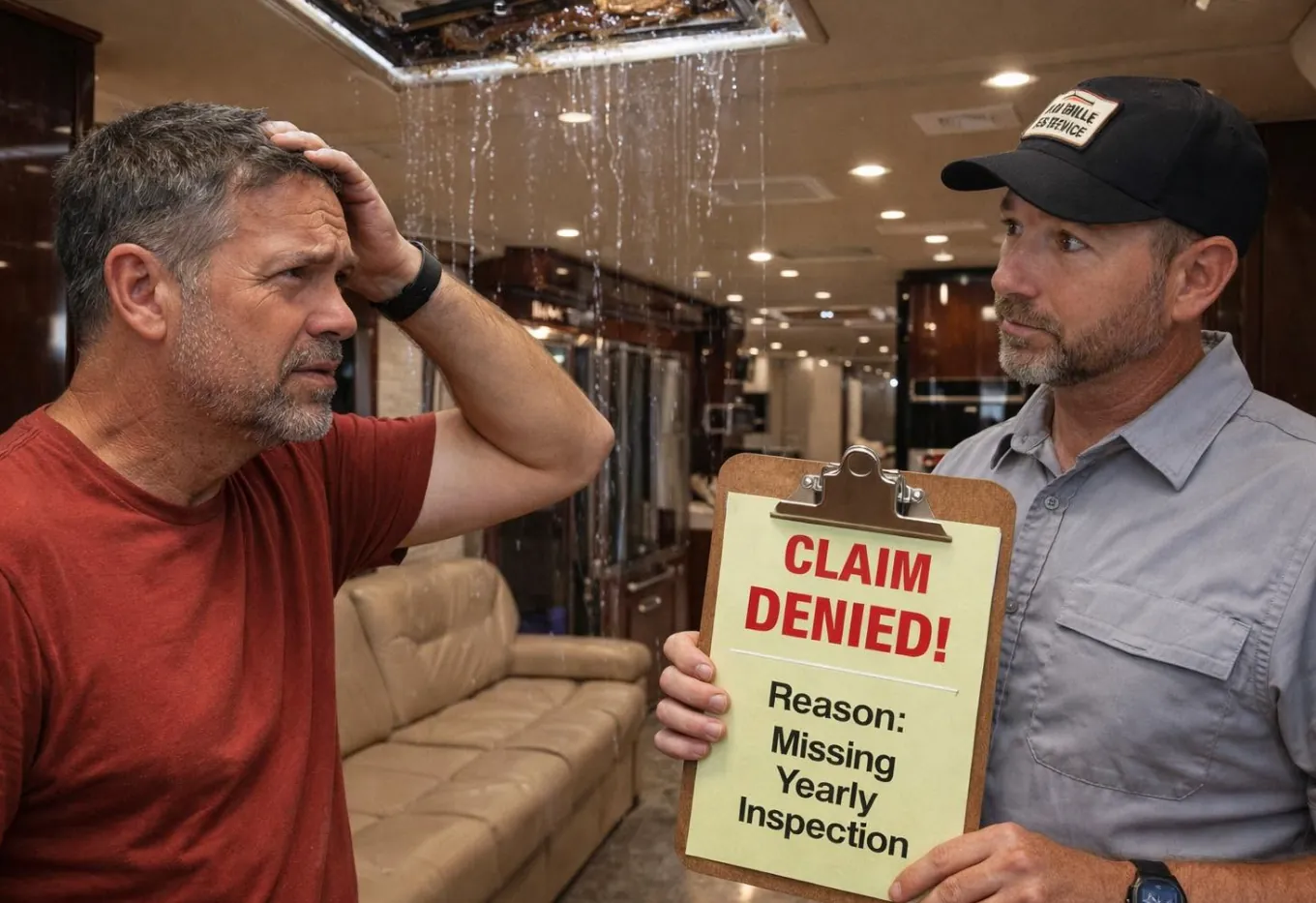
Warranty claim documentation
See what this involves →
Post-hurricane assessment
See what this involves →Six Inspections, and What Actually Separates Them
All six inspections in this section use overlapping instruments, so owners reasonably assume they are versions of one service. They are not. The separator is purpose and audience, and that decides scope, time on site and price. A pre-purchase inspection is thorough and deliberately adversarial, and it is written for you, before you own the coach. A pre-trip safety inspection is fast and restrained, scoped to what can fail at highway speed on a rig you already own. A moisture and leak survey is instrumented and diagnostic, answering one question rather than grading a whole coach. An insurance damage appraisal and warranty claim documentation are both written for somebody else to accept, an adjuster or a service contract administrator, so the standard of proof is theirs rather than ours. A post-hurricane assessment scopes storm damage against a dated event. Ask who reads the report, and the choice usually makes itself.
The Report Is the Product, Not the Walk-Around
What you are buying is a document. A technician who looks over a coach and says it seems fine has given you nothing a seller will discount for and nothing an adjuster can price. A usable report has four properties. It is dated and tied to the specific unit by make, model and serial number, so it cannot be argued onto a different coach. It carries photographs taken before anything was disassembled, cleaned up or resealed, because a part already pulled can only be described rather than shown. It states findings as measurements against named locations instead of adjectives. And it keeps findings separate from recommendations, so a third party can accept the data while still disagreeing about the fix. FEMA guidance for starting a flood claim runs that same order: take photos and video, record make, model and serial numbers, keep samples, and only then begin cleanup.
Triage: Which One Your Situation Actually Calls For
Start from your situation rather than the service name. If you are buying, book a pre-purchase inspection, and book it before the deposit stops being refundable. If you are selling, that same inspection run on your own coach removes the buyer's best negotiating tool, because a documented condition is harder to discount than an unknown one. If you are about to tow, book a pre-trip safety inspection, which sorts a must-fix list from a watch list rather than grading the rig. If you have a stain, a soft spot or a smell that returns after rain, book a moisture and leak survey, since the stain is the exit and finding the entry is a separate instrumented job. If a carrier or an administrator has asked for paperwork, say which, because an insurance damage appraisal and warranty claim documentation are written to different standards. If a storm hit, book the post-hurricane assessment, and do it before cleanup.
Why Florida Changes the Timing of All Six
Timing matters here more than the choice of inspection. A coach in a northern state spends winter frozen and idle, which pauses a leak, while a coach in Florida never gets that dry season, so a small entry point keeps working year round. That is why a leak found late here is a structural repair rather than a cosmetic one, and why the same defect is a sealant reset in spring and a subfloor and sidewall job by the following winter. The Atlantic hurricane season runs June 1 to November 30, which makes post-storm documentation a seasonal need rather than a rare one, and makes a moisture survey most useful before the season opens instead of after it. Snowbird coaches change the pre-trip question entirely. A rig that sat from April to November fails on seals, LP and batteries rather than on wear, so a departure inspection has to be scoped for a long sit, not for mileage.
What Gets Reported but Referred Out
An inspection is only honest if it says where it stops. Apex does not replace, mount, balance or rotate tires, and Apex does not perform chassis, axle or brake repair. Those conditions are still examined and written into the report, because an inspection that ignores them is a worse inspection: the DOT Tire Identification Number with its four-digit week and year of manufacture, sidewall and tread condition, wear patterns that point at an axle or alignment problem, and undercarriage findings, each with a dated recommendation to take it to a tire or truck shop. Note also what the report will not say. The US Tire Manufacturers Association holds that serviceable life cannot be predicted from calendar age alone, so an age is recorded as a fact rather than published as a retirement date. Reporting a condition and repairing it are two different services, and a silent gap between them is worse than a stated one.
Sources
Every figure on this page comes from a manufacturer document or a standards body, not from another repair site. Here is where each one comes from.
- FEMA National Flood Insurance Program - how to start a flood claimThe documentation order the whole hub turns on: take photos and videos of damaged property, write down or photograph the make, model and serial number of appliances and electronics, and keep samples, before cleanup begins.
- Federal Trade Commission - auto warranties and auto service contractsThat administrators, not the repairing shop, make the decisions about authorizing payment of claims under a service contract, and that a contract covering only mechanical breakdowns may not cover normal wear and tear. Supports why the report is written for a third party to accept.
- US Tire Manufacturers Association - tire facts and service lifeThat the Tire Identification Number begins with DOT and ends in four digits giving the week and year of manufacture, and that serviceable life cannot be accurately predicted from simple calendar age alone. Supports reporting tire age as a finding without publishing a retirement age.
- NOAA National Hurricane Center - tropical cyclone climatologyThat the Atlantic hurricane season runs June 1 to November 30, which is what makes post-storm documentation seasonal and puts a moisture survey before the season rather than after it.
- Florida Department of Financial Services, Division of Consumer ServicesThe state consumer insurance helpline and the mediation and neutral evaluation route open to a Florida policyholder when a claim stalls, which is the recourse a documented report supports.
Related systems
Where we work
What this usually costs
| Item | Price | What it covers |
|---|---|---|
| Service call | $299 | Includes the trip out to your RV and the first hour on site |
| Work past the first hour | Quoted after diagnosis | We tell you what it will take before we carry on |
| Parts | Quoted per job | Special-order parts may need a deposit before we order them |
| Written estimate | No charge | You approve the estimate before any work starts |
The service call covers the trip out to your RV and the first hour on site. Anything beyond that depends on what we find, and we quote it and get your approval before carrying on.
The price ranges on this page come from our own recent jobs across Florida, not from an industry average. What you pay depends on the rig, the parts it needs and what we find on site, so we give you a written estimate before any work begins and you approve it first.
Frequently asked questions
Which RV inspection do I need if I am buying a used coach?
A pre-purchase inspection. It is the only one of the six scoped to grade a whole coach you do not own yet, and it is deliberately adversarial. Structure is graded ahead of the appliances, because an appliance is replaceable and a rotten floor is not. Book it before your deposit stops being refundable, and line up the seller's written permission plus shore power, propane and water on board, since the appliance testing means nothing without them.
Do you do certified RV inspections, and can one visit price the repair too?
Certified is not one credential. Callers who use the word usually want the formal buyer's product, which follows a published standards-of-practice scope, so the useful move is to ask any inspector for the written scope rather than for a badge. On pricing a repair in the same visit: an inspection is diagnosis, so a finding arrives with a repair path and no part included. The service call covers the trip out and the first hour on site, and anything past that is quoted and approved before it starts.
What makes a report an adjuster or a warranty administrator will accept?
Method and extent, not opinion. Name the instrument and its mode, give the baseline it was set against, tie every reading to a labeled location, photograph the failure in place before anything is removed, and state cause of failure in mechanical language rather than as a conclusion. The Federal Trade Commission is plain that administrators, not the repairing shop, authorize payment of a claim, so the file exists to answer their questions. A line saying moisture was detected prices nothing.
Do you inspect tires, brakes and the chassis?
They are inspected and reported, never serviced. Apex does not replace, mount, balance or rotate tires, and does not perform chassis, axle or brake repair. What you receive is a written finding: the DOT date code, sidewall and tread condition, wear pattern, undercarriage observations, and a dated recommendation to take it to a tire or truck shop before you travel. Stating that boundary keeps it visible instead of leaving a hole where the tires should be.
When should an inspection be booked around hurricane season?
Before it for anything preventive, and immediately after a storm for anything evidentiary. The Atlantic hurricane season runs June 1 to November 30, so a sealant termination already open in May gets loaded by six months of rain bands before anyone looks at it. After a storm, book the assessment as soon as the rig is safe to reach and ahead of cleanup, because a dated moisture map and photo set taken while the evidence is intact is what ties the damage to that storm.