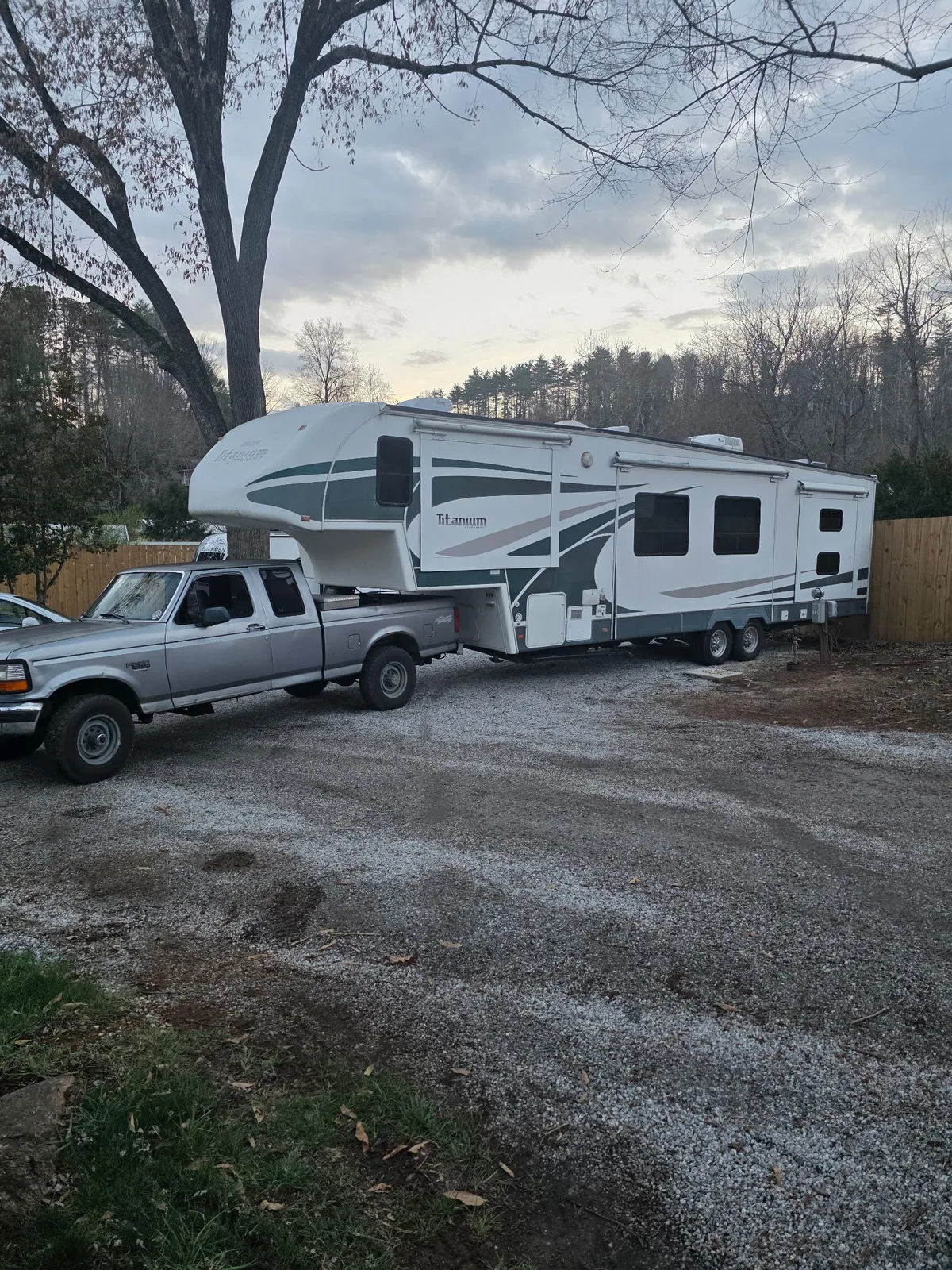
Mobile RV Repair in Palm Bay, Florida
Atlantic wind loading on everything bolted to the roof, and a launch calendar that fills the county without notice.
On the Space Coast the thing that ends rooftop hardware is not sun or salt on their own, it is the constant push and release of Atlantic wind on anything with surface area. An air conditioner shroud, an antenna, a solar panel and a vent cover all catch wind, and every gust works their fasteners.
We are mobile - we come to your RV in Palm Bay. Call 888-759-1438.
Anything bolted to the roof of a coach parked on this coast is being loaded and unloaded thousands of times a season.
That is a fatigue problem rather than a weather problem, and it is why the fix here is a torque wrench more often than a tube of sealant.
What does constant wind actually do to rooftop hardware?
It works fasteners loose and it cracks plastic. Anything with surface area on a roof - a shroud, a vent cover, an antenna, a solar panel - acts as a small sail, and each gust puts a load into its mounting and then takes it away again. Do that continuously for a season and two things happen. Fasteners that were correctly tightened lose preload and start to move, and once a fastener moves it stops clamping, the joint flexes and the sealant around it is being asked to do a structural job it was never meant to do. Meanwhile the plastic parts age under ultraviolet at the same time they are being flexed, which is the combination that produces cracking. Neither failure is dramatic on the day it starts. Both announce themselves as a noise, and that noise is the cheapest warning you will get.
The Sebastian Inlet job: a Minnie Plus with a cracked shroud
A 2021 Winnebago Minnie Plus at Sebastian Inlet State Park with the rooftop air conditioner shroud cracked from wind stress. We replaced the Dometic shroud and re-torqued all of the air conditioner mounting bolts. The second half of that is the part that mattered. A cracked shroud on its own is a cheap plastic problem, but a shroud usually cracks because the unit under it has been moving, and a unit that has been moving has a mounting gasket that has been compressed unevenly and bolts that are no longer holding it down properly. Replacing the shroud without checking the mounting would have handed the owner a tidy roof and a leak path straight through the largest hole in it. Torque to the manufacturer's figure, not to feel - overtightening crushes the gasket and causes the same leak from the opposite direction.
My roof rattles in the wind. Is that actually a problem?
Yes, and it is the most useful early warning an RV gives you. A rattle means something is moving that was designed not to move, and on a roof the things that move are the things that are bolted through it. By the time a fastener is loose enough to make noise, the joint is flexing, the sealant around it is being stretched and compressed with every gust, and the clock has started on a leak. The mistake is treating it as a comfort issue and turning the radio up. The response that costs almost nothing is to go and look: check the shroud for cracks, check the mounting bolts and check the sealant beads around every roof penetration for lifting or separation. If you are not sure the roof is rated to walk on, or the coach has any leak history, that is the right reason to have someone else go up rather than skipping the check.
Should I take the antenna and covers off before a blow?
Retract what retracts and inspect what does not, which covers most of it. An awning is the single most expensive thing on the outside of a coach to lose to wind, and it should be rolled up and secured any time you are not sitting under it - not just when a storm is forecast, because the gust that destroys an awning arrives without one. A crank-up antenna comes down. A satellite dish stows. Beyond that, most rooftop items are bolted rather than removable, so the real preparation is the inspection: fasteners tight to specification, shrouds and covers uncracked, sealant sound. Do that before the season rather than the afternoon a warning is issued, because the day a storm is coming is the worst possible time to discover a roof needs work and every technician in the county is already booked.
How does the launch schedule affect getting service here?
It fills the county at short notice, which is different from a seasonal peak and needs a different response. When a launch is announced, the campgrounds from Titusville down through the Melbourne area take bookings quickly, and a county that had space on Monday has none by Thursday. That compresses everything: sites cannot be changed, arrivals cluster and every service business in Brevard gets busy in the same few days. If a launch is your reason for being here, watch the schedule and book both the site and any planned service early. If it is not, the same calendar tells you which weeks to avoid for anything non-urgent. Either way, the work that can be scheduled - an inspection, a roof and fastener check, a generator run under load - is worth doing outside those windows rather than inside them.
Where do people camp at the south end of Brevard?
On or near the water, which is exactly why the wind matters. Sebastian Inlet State Park sits on the barrier island at the county line and is one of the best-known sites on this coast. Long Point Park is a Brevard County park just inside the inlet on the lagoon side, and Wickham Park is a county facility inland at Melbourne with a very different feel. Florida State Parks publish that their full-facility campsites include water, electricity and a dump station as part of the campground, which covers the inlet. The practical difference between the barrier island sites and the inland ones is exposure: a coach on the island takes wind and salt directly, while a few miles inland at Wickham it takes considerably less of both. That is worth knowing when you choose a site for a long stay.
Camping on the south Space Coast
Brevard's south end has a state park on the inlet and two county parks, and all of them sit where the wind comes straight off the Atlantic.
What a visit costs in Palm Bay
The service call is $299 and covers the trip out to your RV and the first hour on site. Work past that first hour is quoted to you once our technician has found the fault, before we carry on. Written estimates are free and you approve one before any work starts. Call 888-759-1438.
Sources for the Palm Bay detail
- Dometic Penguin II rooftop air conditioner manual (PDF) - the mounting, gasket and shroud arrangement, including the manufacturer's tightening procedure
- Dicor - roof sealant installation instructions - how sealant is meant to be used around a penetration, and what it is not meant to do
- Sebastian Inlet State Park - the state's page for the park at the county line
- Florida State Parks - RV camping - confirms full-facility campsites include water, electricity and a dump station
What Brevard County owners book most
- RV AC and heating - shrouds, mountings and the unit underneath
- RV roof repair - penetrations, fasteners and sealant
- RV awning service - the most expensive thing wind takes
- RV inspections - the pre-season fastener and sealant check
Palm Bay and Brevard County RV questions
My rooftop AC rattles when it is windy. Does that matter?
Yes, and it is the cheapest warning you will get. A rattle means something bolted through the roof is moving, which means the joint is flexing and the sealant around it is being worked with every gust. That is a leak starting. Check the shroud, the mounting bolts and the sealant beads rather than living with the noise.
The shroud is cracked. Can I just tape it?
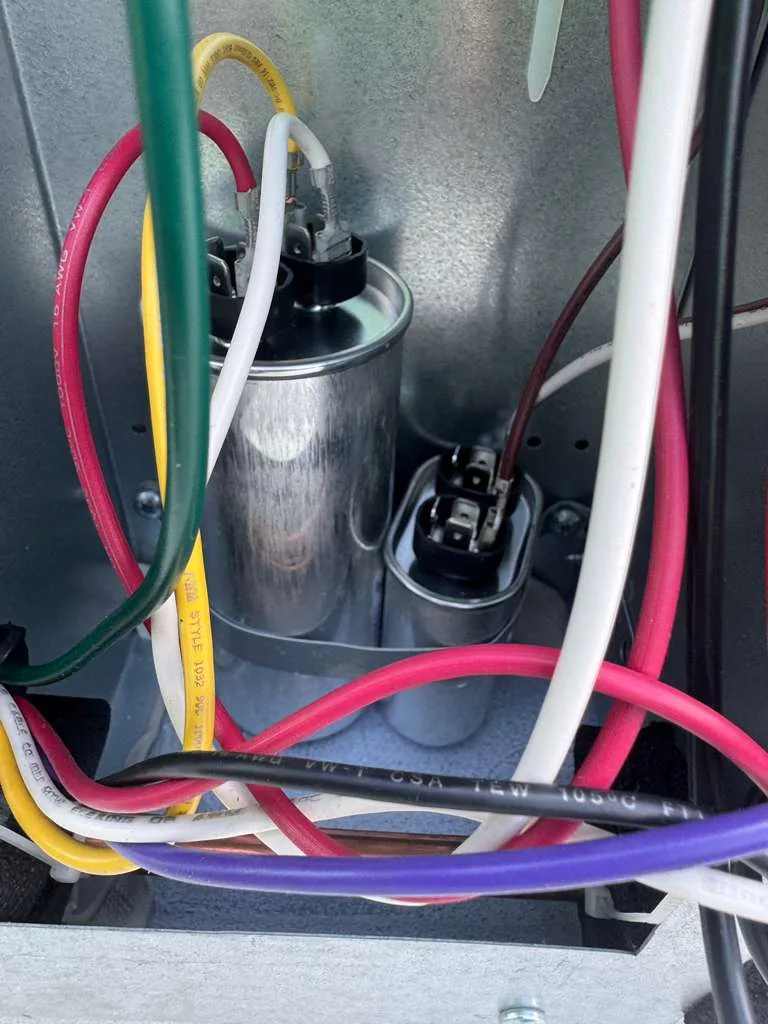
Not as a repair. The shroud keeps rain out of the control box holding the capacitor and the wiring, so a compromised one turns a working air conditioner into an electrical failure. It is also worth asking why it cracked - usually because the unit under it has been moving, which means the mounting needs checking too.
How tight should AC mounting bolts be?
To the manufacturer's figure, which is why this is a torque wrench job rather than a feel job. Too loose and the unit moves and leaks. Too tight and the mounting gasket is crushed and leaks from the opposite direction. Both failures look identical from inside the coach.
Do I need to do anything to the roof before a storm?
Retract and secure the awning, bring down any crank-up antenna and stow a dish. Beyond that the useful preparation is inspection rather than removal - fasteners tight, shrouds uncracked, sealant sound - and it should be done before the season rather than the afternoon a warning is issued.
Why does my awning keep getting damaged here?
Because an awning is a sail and this coast supplies the wind. The rule that saves them is simple: roll it up any time you are not sitting under it. The gust that bends an arm does not wait for a forecast, and an awning arm bent past its travel position is a considerably bigger repair than a moment of shade was worth.
Is an inland site really different from the barrier island?
Noticeably, yes. A coach at the inlet takes wind and salt straight off the Atlantic, while a few miles inland at a park like Wickham it takes much less of both. For a night or two it makes little difference. For a long stay it changes how fast the roof hardware, the fasteners and the awning age.
Can you come out during a launch week?
Yes, but book early. A launch announcement fills Brevard campgrounds within days and every service business here gets busy in the same window. If a launch is your reason for visiting, schedule the site and any planned service together. If it is not, the launch calendar tells you which weeks to avoid.
How far do you travel in Brevard County?
Across the county - Palm Bay, Melbourne, Melbourne Beach, West Melbourne, Malabar and the parks around the inlet. Travel is inside the service call rather than billed separately, so a barrier island site and an inland driveway cost the same to reach.